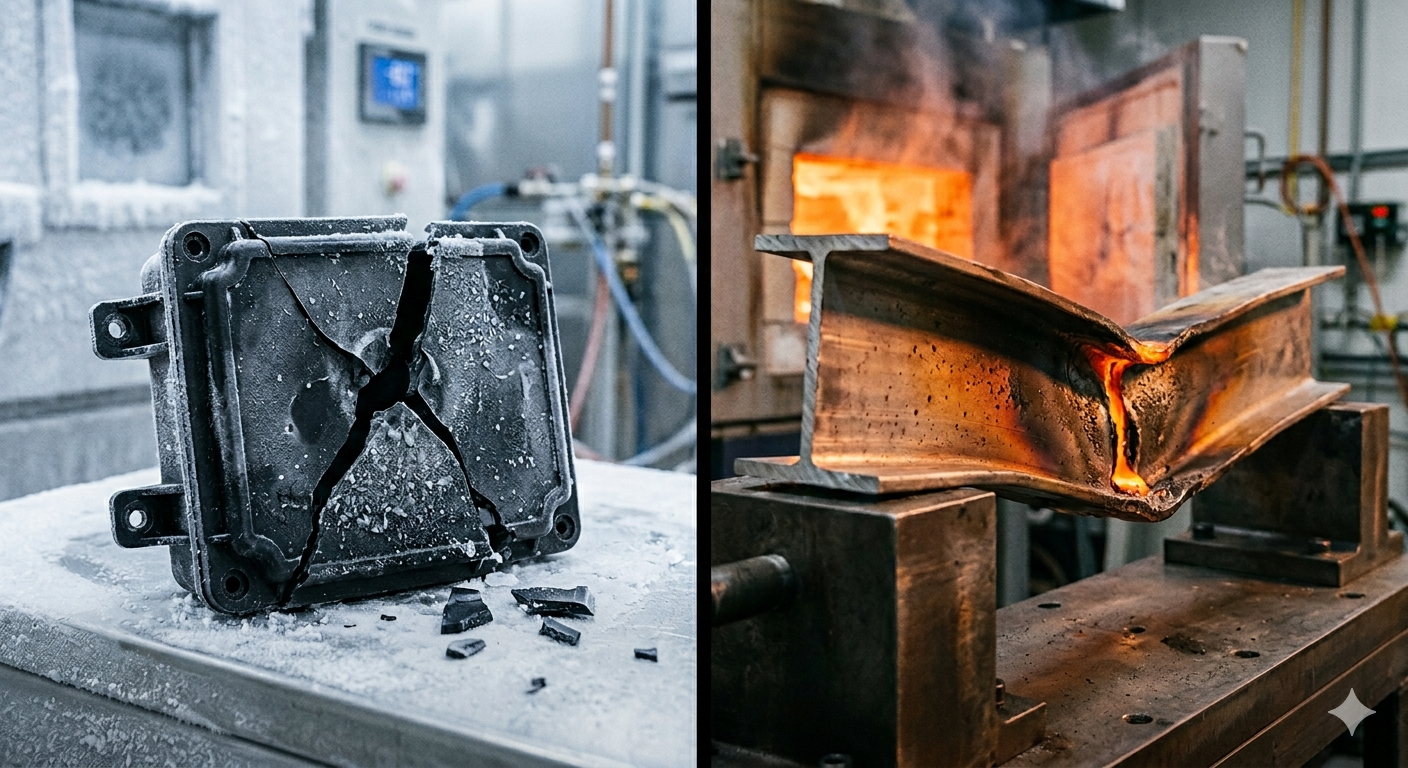
Corrosion Catastrophe: When Moisture Takes Over
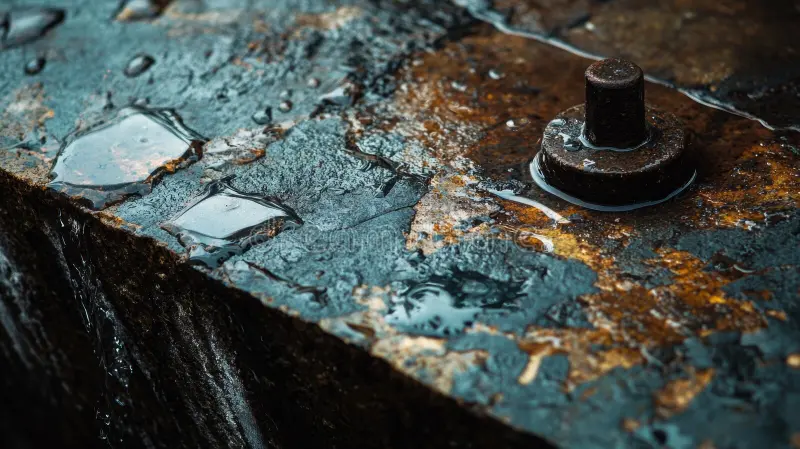
Imagine your plant is a bit on the humid side, perhaps with some steam or condensation thrown in for good measure. Now, envision installing parts made from materials that are highly susceptible to rust and corrosion. You can practically hear the iron oxidizing, can't you?
Using parts that aren't properly coated or constructed from corrosion-resistant materials (like stainless steel, for example) in a damp environment is a recipe for disaster. Rust doesn't just look ugly – it weakens structural integrity, causes moving parts to seize up, and can even contaminate your final product.
Think your plant is too dry for corrosion? Don't be so sure. Certain chemical fumes, even in relatively low-humidity environments, can react with unprotected metals and trigger corrosive processes.