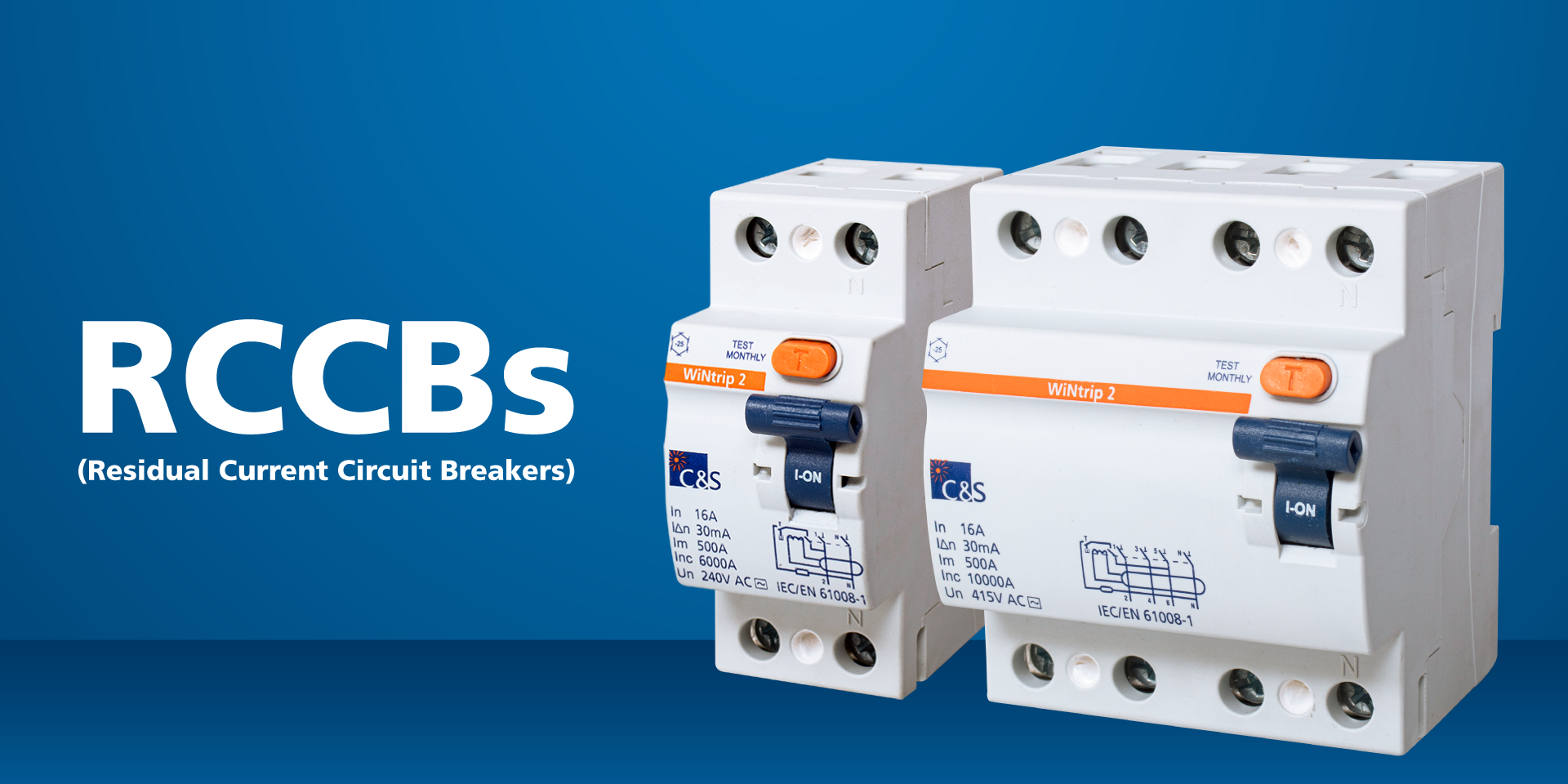
Understanding Life Safety: The Critical Distinction Between MCB and RCCB

1. The MCB: Safeguarding Your Infrastructure
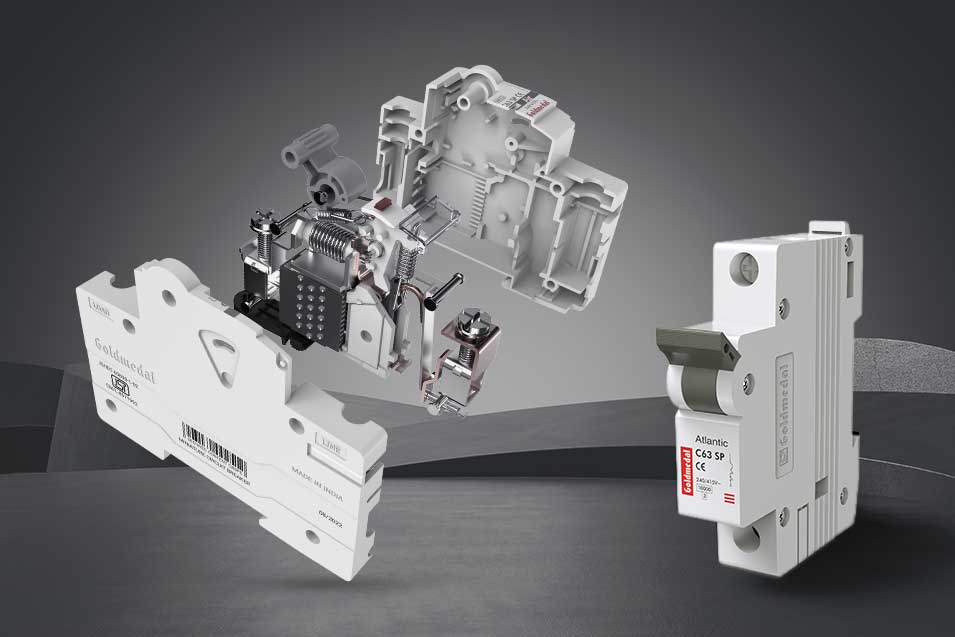
1. The MCB: Safeguarding Your Infrastructure

The MCB is a thermal-magnetic device designed to protect electrical conductors and connected equipment from damage.

Primary Function:

To detect and interrupt current flow during abnormal conditions.

Trigger Mechanisms:

  • Thermal Trip: Protects against overloads (e.g., connecting a 5kW load to a 2kW circuit).
  • Magnetic Trip: Protects against short circuits (e.g., a direct phase-to-neutral fault).

The Limitation:

An MCB typically operates at current ratings of 6A, 16A, or 32A. Since a current of even 0.03A (30mA) can be fatal to a human, an MCB will not trip if a person touches a live wire, as the human body does not draw enough current to trigger the breaker.
The RCCB: Safeguarding Human Life

The RCCB: Safeguarding Human Life
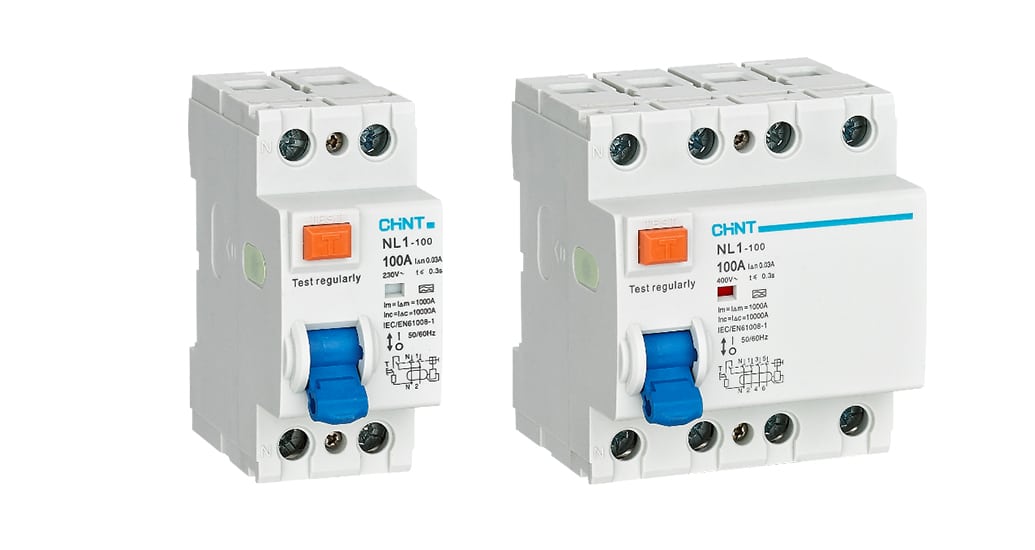
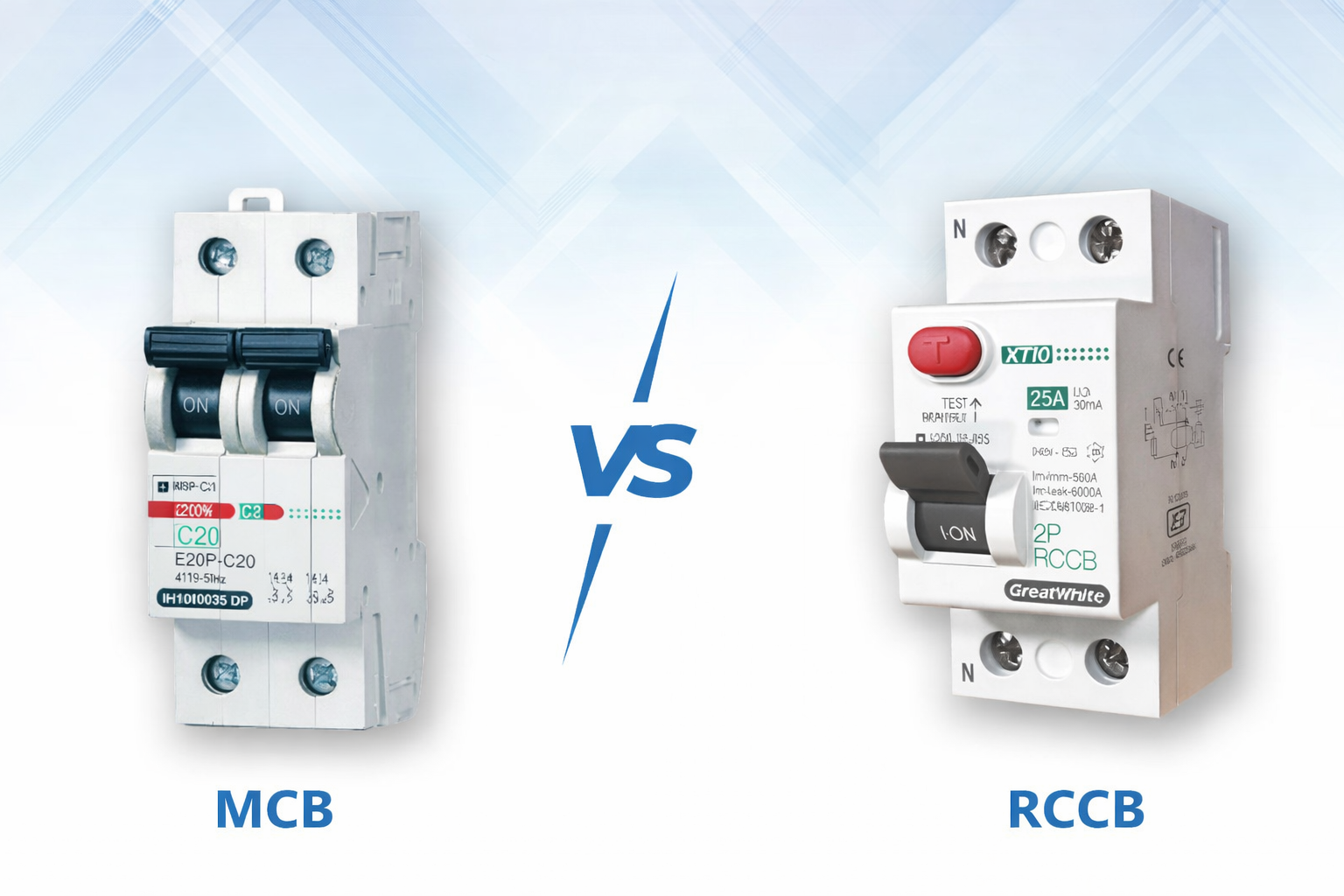
The RCCB is a specialized sensing device designed to detect "leakage" current that bypasses the intended circuit. Primary Function: To protect personnel against Electric Shocks and prevent fires caused by earth leakage. The Mechanism: It operates on the Kirchhoff's Current Law principle. It measures the balance between the outgoing phase current and the returning neutral current. The "Life-Saving" Difference: If a person touches a leaking appliance, a portion of the current flows through the body to the earth. The RCCB detects this tiny imbalance (usually 30mA) and disconnects the power in less than 30 milliseconds.

Technical Comparison: MCB vs. RCCB

Technical Comparison: MCB vs. RCCB
Feature MCB RCCB
Full Form Miniature Circuit Breaker Residual Current Circuit Breaker
Core Purpose Protects Cables & Equipment Protects Humans & Animals
Detection Basis Over-current & Short Circuit Earth Leakage Current
Sensitivity High (Starts from 0.5A to 125A) Ultra-Sensitive (30mA, 100mA, 300mA)
Fault Protection Prevents Electrical Fires Prevents Fatal Electrocution

The "Test" Protocol: Ensuring System Integrity

Unlike passive components, the RCCB contains sensitive electromagnetic parts that require periodic verification. The Test Button: Every certified RCCB features a 'T' (Test) button. Procedure: Pressing this button creates a simulated internal leak. Frequency: Arush Switchgears recommends testing your RCCB once every 30 days. If the device fails to trip during the test, the internal mechanism may be seized or faulty, leaving the premises vulnerable to shock hazards.

Understanding Sensitivity Ratings: Which RCCB for Which Application?

Understanding Sensitivity Ratings: Which RCCB for Which Application?
One of the most common mistakes in procurement is selecting the wrong sensitivity (measured in milliamperes, mA). Installing a high-sensitivity RCCB in a heavy industrial setting can lead to "nuisance tripping," while a low-sensitivity one in a home can be fatal. 30mA Sensitivity (High Sensitivity): * Application: Domestic households, schools, and hospitals. Reason: 30mA is the maximum current the human heart can withstand for a short duration without going into ventricular fibrillation. 100mA Sensitivity: Application: Small workshops or commercial buildings with moderate leakage (e.g., computers/UPS systems). Reason: Provides a balance between protection and operational continuity where minor leakage is normal. 300mA to 500mA Sensitivity (Low Sensitivity): Application: Large industrial plants and heavy machinery. Reason: These are primarily used for Fire Protection. They detect leakage that could cause arcing and fires but are not sensitive enough to prevent human electrocution.

Technical Installation: The "Neutral" Rule

A frequent cause of RCCB failure is improper wiring. Unlike an MCB, which only requires the phase wire, an RCCB must have both Phase and Neutral passing through it. The Zero-Sum Principle: The current going in must exactly match the current coming out. Common Error: If the neutral is "shared" or earthed after the RCCB, the device will detect a current imbalance and trip immediately, even if there is no actual fault. This is why professional panel building by experts like Arush Switchgears is critical.

Regulatory Compliance: IS 732 & CEA Guidelines

In India, installing an RCCB is no longer just a "good idea"—it is a legal requirement. The Central Electricity Authority (CEA) Regulations: Mandate the use of Earth Leakage Protection for all installations exceeding 5kW load. IS 732 (Indian Standard): Outlines the code of practice for electrical wiring installations, emphasizing that personnel protection must be prioritised in damp areas (kitchens, bathrooms, and factories).

Troubleshooting: Why is my RCCB tripping?

Before you call a technician, check these three common "Ghost Faults": Moisture in Junction Boxes: Common during the Indian monsoon. Old Appliance Heating Elements: Geysers and ovens often develop minor leaks as they age. Crossed Neutrals: Two different circuits sharing one neutral wire will trip an RCCB every time.

Final Technical Summary Table

Component Protection Goal Mandatory Standard Arush Recommended Brands
MCB Thermal/Magnetic (Equipment) IS/IEC 60898-1 Schneider, ABB, Siemens
RCCB Earth Leakage (Human Life) IS/IEC 61008-1 L&T, Legrand, Hager
RCBO Combined Life & Equipment IS/IEC 61009-1 Premium Tier Options

Strong brands in automation technology


© 2026 Arushswitchgears LLP. All The Rights Are Reserved.
visa cardmaster carddiscoverskrillpay pal